Aircrew Parachute Harness/Pack – Vulcan & Victor Crew Seats: Aviation Harness and Pack System
Aircrew Parachute Harness/Pack – Vulcan & Victor Crew Seats: Aviation Harness and Pack System
Blog Article
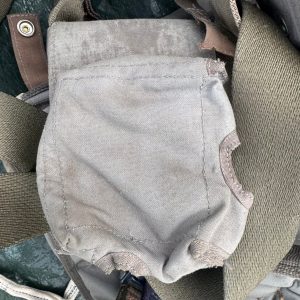
The Aircrew Parachute Harness/Pack – Vulcan & Victor Crew Seats may suit static display, preservation, restoration research, educational exhibits, or carefully evaluated specialist applications.
An Aviation Parachute Harness and Pilot Parachute Harness should be identified through labels, part numbers, manufacturing records, and configuration-specific information.
An Aircraft Emergency Parachute Harness may also be marketed as an Aircrew Safety Harness, Flight Crew Parachute Harness, Emergency Parachute Harness, or Military Aircrew Harness when its historical and technical context is explained clearly.
Whether described as an Aviation Emergency Escape Harness, Parachute Harness Assembly, Aircraft Crew Safety Equipment, Aircrew Emergency Equipment, or Pilot Emergency Parachute System, the item should be evaluated within its complete original configuration.
The Flight Parachute Harness should remain matched with the correct parachute pack, seat arrangement, attachment hardware, and operating system.
Exploring the Aircrew Harness and Pack Configuration
A visually similar military parachute harness may not belong to the same aircraft, seat, or operating configuration.
Unknown parts should be described honestly instead of assigned an unsupported function.
Aviation Parachute Harness Construction
Webbing can deteriorate through age, ultraviolet exposure, chemicals, moisture, abrasion, mildew, heat, repeated loading, and unsuitable storage.
Original thread can lose strength even when the stitch pattern remains visually intact.
Pilot Parachute Harness Fit and Adjustment
The adjustment range should be documented when labels or original information are available.
Buckles and adjusters should move without excessive force, binding, corrosion, cracking, deformation, or damage to adjacent webbing.
Aircraft Emergency Parachute Harness Function
Operational claims should never be made without current specialist inspection and applicable documentation.
The relationship between each fitting and its surrounding webbing should remain visible for inspection.
Choosing an Aircrew Safety Harness
Accurate identification supports museum displays, restorations, archival records, and specialist collections.
Proper storage protects the Aircrew Safety Harness and reduces further deterioration.
Flight Crew Parachute Harness Condition
Detailed condition reporting creates a more credible and commercially useful listing.
Documented history can add substantial collector value.
Emergency Harness Storage Review
Every strap should be followed from end to end while checking webbing, stitching, folds, attachment areas, fittings, and labels.
Leather or rubber components may harden, shrink, crack, or become brittle during storage.
Preserving Cold War Aviation Safety Gear
A Military Aircrew Harness associated with Vulcan and Victor crew seating can hold significant interest for collectors of British military aviation, historic aircraft equipment, and Cold War-era artifacts.
The equipment should be mounted through reversible methods that avoid cutting, drilling, gluing, or permanently altering original material.
Aviation Emergency Escape Harness System
Missing components can limit the accuracy of a restoration or display.
Qualified historical or technical review supports accurate Aviation Emergency Escape Harness presentation.
Evaluating Assembly Completeness
A pack exterior does not prove that a canopy, pilot chute, deployment components, or internal equipment remain present.
Loose components should be photographed, labeled, and packaged separately so they are not lost or mistaken for unrelated hardware.
Historic Aircraft Safety Components
Aircraft Crew Safety Equipment may include harnesses, parachute packs, helmets, oxygen equipment, survival gear, restraints, life preservers, and emergency signaling devices.
Conservation should prioritize reversible methods whenever practical.
Choosing Aircrew Survival Components
Historical context can be as important as cosmetic condition.
The product listing should identify whether the item is original, restored, repaired, modified, reproduction, mixed-component, or unverified.
Military Pilot Escape Equipment
A Pilot Emergency Parachute System includes more than a harness because the pack, canopy, deployment equipment, connections, fit, inspection status, and operating procedures all matter.
Collectors should avoid deploying, unpacking, repacking, or load-testing rare equipment without understanding the effect on originality and condition.
Preserving an Aviation Harness Assembly
The item should remain removable for inspection and future conservation.
Public displays should include clear information explaining the item’s aircraft association, approximate period, purpose, condition, and nonoperational status where appropriate.
Flight Parachute Harness Buying Guide
An operational buyer requires entirely different inspection, certification, and system-compatibility considerations.
Recent professional condition reports may also help buyers evaluate the item.
Aircraft Parachute Equipment Compatibility
A harness associated with one Vulcan or Victor seat position may differ from equipment used by another crew member.
Historic photographs and technical references can guide arrangement when available.
Evaluating Historic Parachute Equipment
The buyer should more info request enough information for a parachute specialist, military aviation historian, conservator, or experienced collector to evaluate the item.
- Resolve identity, provenance, configuration, and package-completeness questions before payment.
- Inspect stitching for broken threads, loose patterns, separation, contamination, fading, and previous replacement.
- Report shipping damage, missing parts, undocumented repairs, label differences, or undisclosed contamination promptly.
Storing the Aircrew Parachute Harness/Pack
Acidic cardboard, untreated wood, plasticizers, rubber, chemicals, and damp fabrics should not contact the equipment.
Condition photographs taken from consistent angles can reveal gradual changes over time.
Historic Parachute Equipment Presentation
The harness should be arranged according to reliable reference material without forcing stiff components into position.
Interpretive material can explain the relationship between the harness, pack, crew seat, aircraft role, and emergency system.
Protecting Aviation Safety Equipment
Maintenance of historic aircrew parachute equipment should prioritize preservation, documentation, gentle handling, and prevention of further deterioration.
Documentation should record every intervention, added component, cleaning method, and display modification.
Selecting a Crew-Seat Harness and Pack
When carefully inspected, stored, documented, conserved, and displayed, the Aircrew Parachute Harness/Pack – Vulcan & Victor Crew Seats can remain a valuable military aviation artifact.
Careful technical, historical, and commercial evaluation can reduce authenticity concerns, condition surprises, missing-component costs, and unsuitable-use assumptions.
Whether the assembly is purchased for restoration, research, display, reference, collection, or specialist evaluation, transparent documentation and responsible handling provide the strongest foundation.
With prompt attention to webbing, stitching, hardware, corrosion, labels, pack materials, and storage conditions, the equipment can retain its appearance and research value.
Report this page